The Ultimate Guide to Festivus
Festivus is a unique holiday celebrated on December 23rd, offering a humorous alternative to the commercial pressures of the Christmas season. Popularized by the hit television show Seinfeld in the 1990s, Festivus has evolved into a cultural phenomenon, celebrated by people looking to embrace simplicity, humor, and community spirit during the holiday season. In this ultimate guide, we will explore the origins, traditions, and creative ways to celebrate Festivus with family and friends.
The Origins of Festivus

Festivus was originally created by Daniel O’Keefe, a writer, in 1966. He developed the holiday as a family tradition to celebrate the joys and frustrations of everyday life without the commercial pressures of Christmas. The O’Keefe family celebrated Festivus privately for decades, passing down its unique rituals from generation to generation.
The holiday gained mainstream recognition when Dan O’Keefe’s son, Daniel, incorporated it into an episode of Seinfeld in 1997, titled “The Strike.” The episode introduced the world to the core elements of Festivus, including the Festivus pole, Airing of Grievances, Feats of Strength, and other humorous customs that continue to entertain audiences today.
Key Traditions of Festivus
1. The Festivus Pole
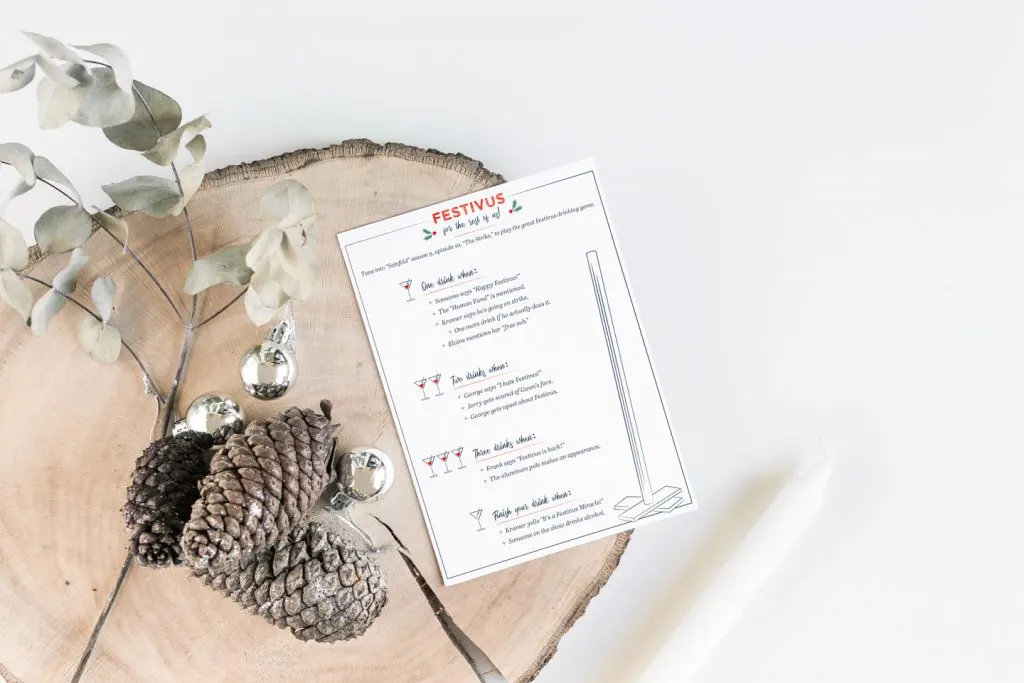
At the heart of Festivus is the Festivus pole, a plain, unadorned aluminum pole that symbolizes the holiday’s rejection of commercialism and excessive decoration. Unlike traditional Christmas trees, the pole is deliberately minimalist, reflecting the holiday’s focus on simplicity and practicality.
The Festivus pole is typically displayed in the home during the holiday season, and it often becomes a conversation starter among guests. Its stark design encourages participants to focus on the celebrations and interactions rather than material excess.
2. The Airing of Grievances
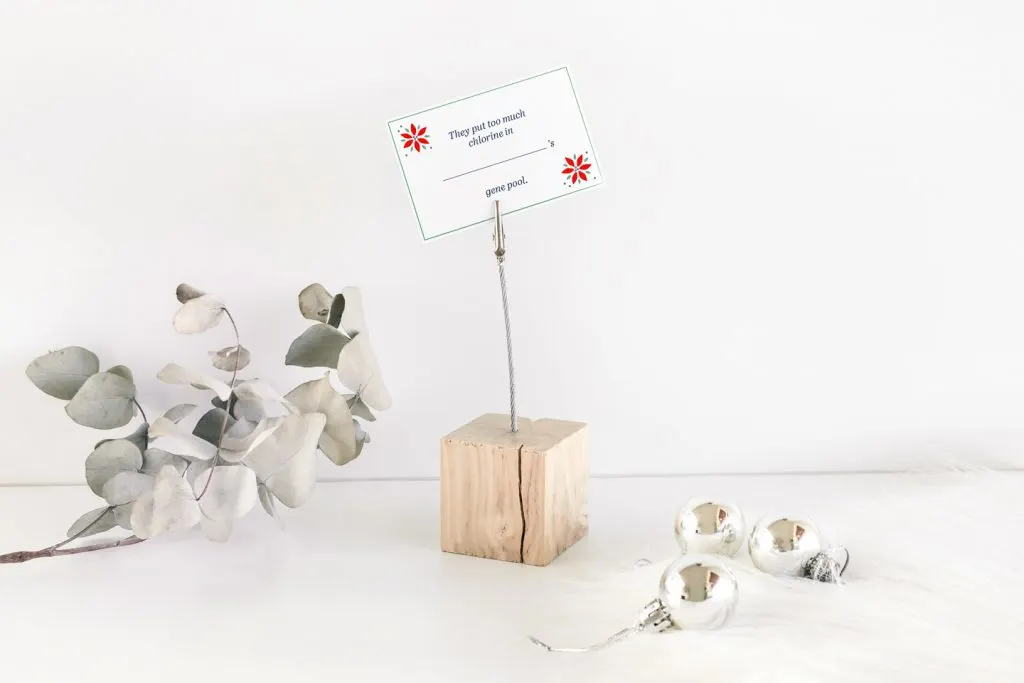
One of the most iconic aspects of Festivus is the Airing of Grievances, during which family and friends gather to share their disappointments or frustrations from the past year. Unlike traditional holiday gatherings that emphasize harmony and cheer, Festivus encourages honesty, humor, and catharsis.
This tradition allows participants to voice their grievances in a lighthearted and structured environment. While it may seem confrontational at first, it’s all in good fun, and it often leads to laughter, understanding, and stronger family bonds.
3. Feats of Strength
Another essential Festivus ritual is the Feats of Strength, which involves physical challenges or competitions among family members. Typically, the celebration concludes with the head of the household wrestling the other members to determine who can best uphold the Festivus spirit.
The Feats of Strength are meant to symbolize resilience, teamwork, and lighthearted competition. While not everyone participates in wrestling, creative adaptations can include games, challenges, or playful contests that encourage engagement and entertainment.
4. Festivus Dinner
No Festivus celebration is complete without a Festivus dinner. The meal can range from traditional holiday fare to humorous or unconventional dishes, reflecting the holiday’s whimsical nature. Common dishes include meatloaf, roast chicken, or simple homemade recipes that prioritize togetherness over extravagance.
5. Festivus Miracles
In keeping with the holiday’s playful tone, participants sometimes celebrate Festivus miracles, defined as unexpected, humorous, or ironic events. These “miracles” highlight the absurdity and joy of everyday life, adding a layer of humor to the festivities.
Modern Relevance of Festivus
Today, Festivus is celebrated by individuals and families across the world who seek a non-commercial, lighthearted holiday alternative. It appeals to people who want to spend quality time with loved ones, reflect on the past year, and enjoy laughter without the pressures of gift-giving and decoration.
Festivus has also influenced popular culture, appearing in TV shows, social media, and even corporate holiday parties. Its humorous rituals and satirical approach to traditional holidays make it a favorite among those with a sense of irony and appreciation for creative celebrations.
How to Celebrate Festivus
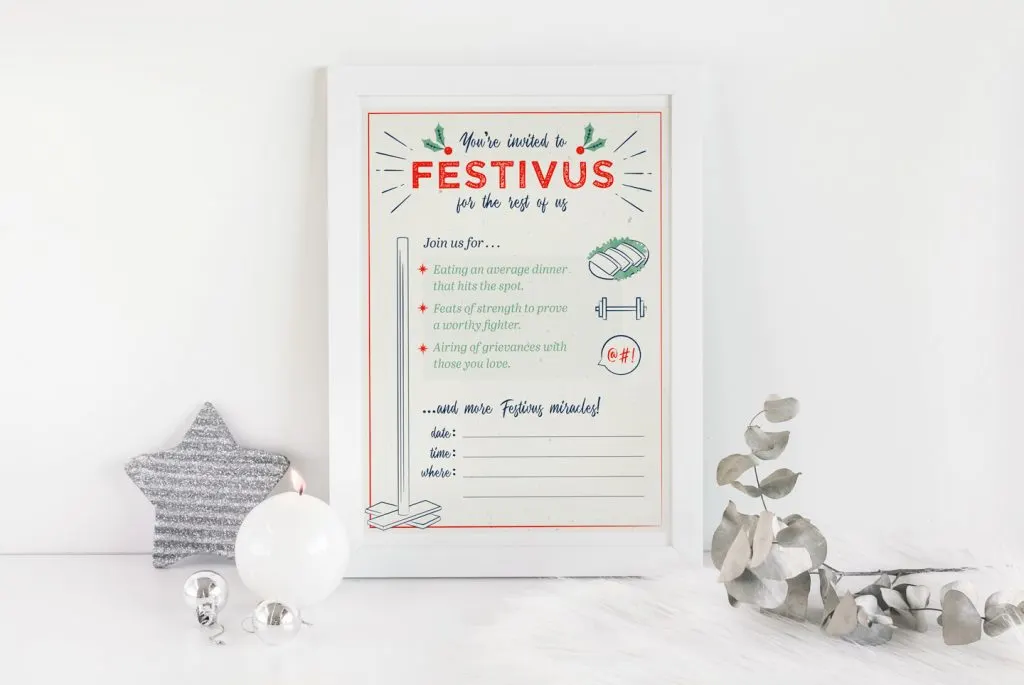
- Display a Festivus Pole: Keep it simple, unadorned, and place it in a central location for your gathering.
- Host an Airing of Grievances: Set aside time for participants to share funny or lighthearted grievances.
- Organize Feats of Strength: Adapt the wrestling tradition with games or contests suitable for your group.
- Prepare a Festivus Dinner: Serve a casual, simple meal that emphasizes togetherness over culinary perfection.
- Celebrate Festivus Miracles: Encourage guests to share unexpected joys or humorous events from the year.
- Invite Friends and Family: The spirit of Festivus is about gathering and enjoying shared experiences, so make it inclusive and fun.
Creative Festivus Ideas
- Festivus Crafts: Create DIY aluminum pole decorations or themed games.
- Festivus Gift Exchange: For those who still want to exchange gifts, consider gag gifts or humorous items.
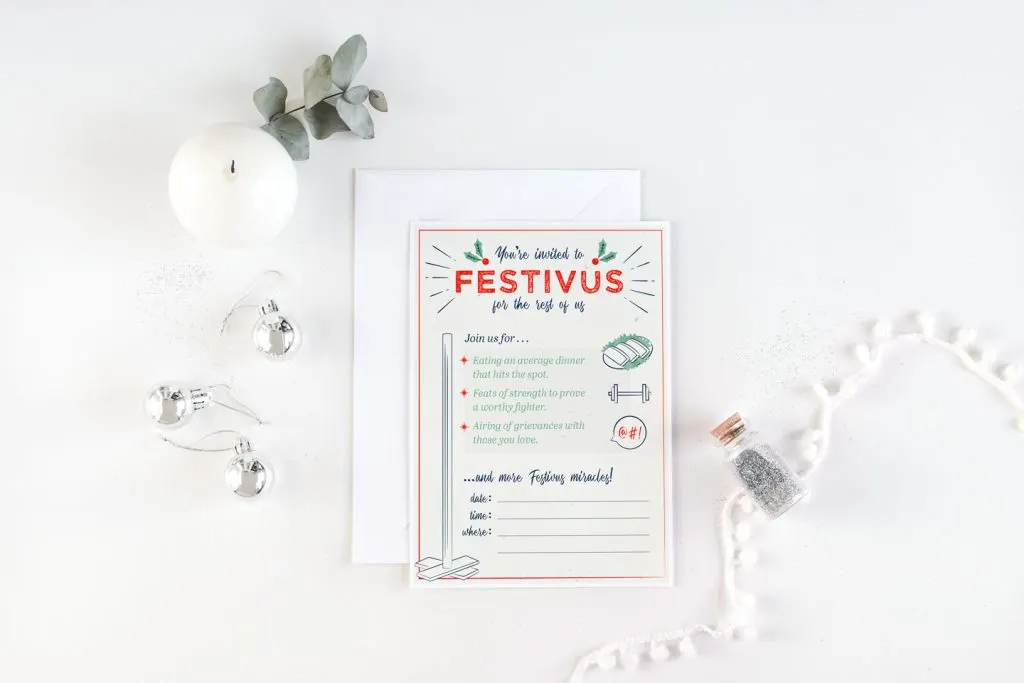
- Festivus Cards: Send out witty cards summarizing the “grievances” or “miracles” of the year.
- Virtual Festivus: Celebrate with distant friends and family over video calls, incorporating all the traditions remotely.
Conclusion
Festivus is more than just a quirky holiday from a TV show; it’s a celebration of honesty, humor, and human connection. By embracing the traditions of the Festivus pole, Airing of Grievances, Feats of Strength, and festive dinners, anyone can enjoy a meaningful and entertaining holiday experience.
Whether you’re a longtime fan of Seinfeld, a holiday skeptic, or simply someone looking for a creative way to celebrate the season, Festivus offers a unique opportunity to gather with loved ones, laugh together, and reflect on the year with both humor and gratitude. This ultimate guide to Festivus ensures that your celebrations are fun, memorable, and full of laughter—just as the holiday was always intended to be.