Poinsettia Care Guide
Poinsettias are one of the most iconic and beloved plants of the holiday season. Known for their vibrant red and green foliage, they add a festive touch to homes, offices, and holiday gatherings. But keeping a poinsettia healthy throughout the season and beyond requires a bit of knowledge and care. This guide will walk you through everything you need to know about poinsettia care, from watering and lighting to decorating ideas and troubleshooting common problems.
Understanding Poinsettias
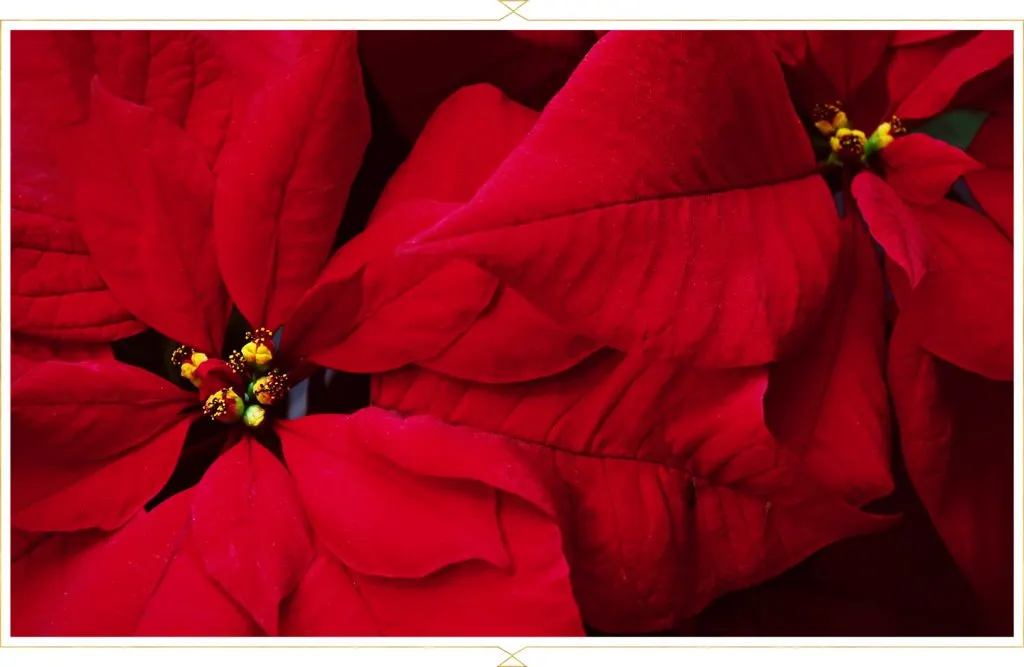
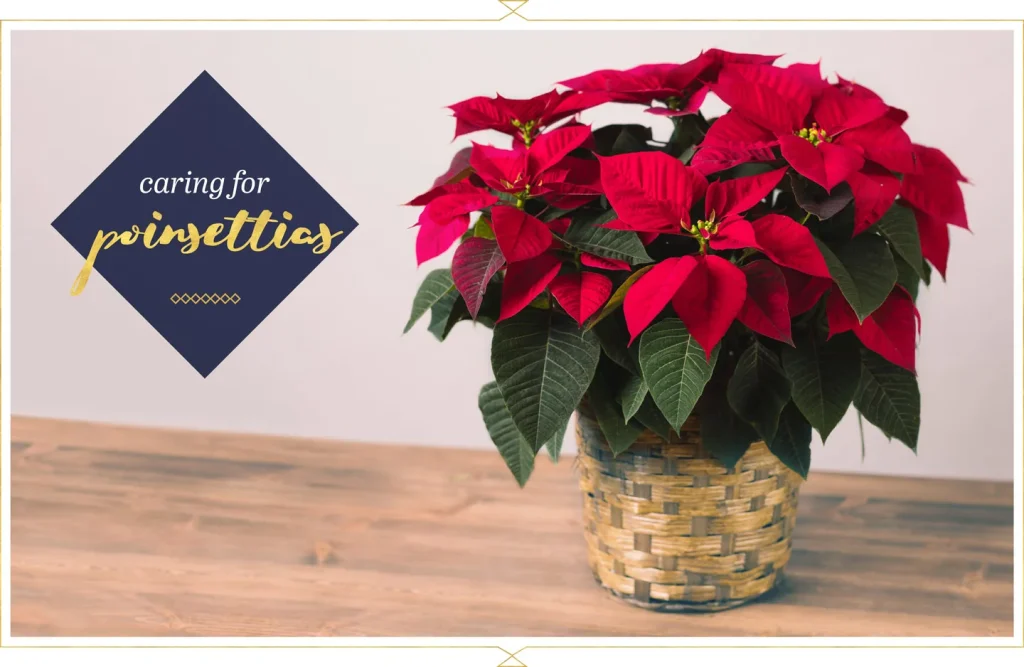
Poinsettias (Euphorbia pulcherrima) are native to Mexico and Central America, where they grow as shrubs or small trees. Their bright red, pink, or white leaves are actually modified leaves called bracts, which surround the small yellow flowers in the center. Poinsettias are often associated with Christmas, and their vibrant colors make them a staple in holiday decorations.
While they are celebrated for their festive beauty, many people struggle to keep them thriving after purchase. Understanding their natural environment and needs is key to ensuring your poinsettia remains healthy.
Ideal Poinsettia Environment
1. Light
Poinsettias require bright, indirect light to maintain their vibrant color. Place them near a sunny window, but avoid direct sunlight, which can scorch the leaves. If natural light is limited, fluorescent lighting can supplement their needs.
2. Temperature
Poinsettias prefer temperatures between 65°F and 75°F (18°C–24°C) during the day and slightly cooler at night. Avoid exposing them to drafts, sudden temperature changes, or cold windows, as this can cause leaf drop.
3. Humidity
Poinsettias thrive in moderate humidity. Dry indoor air, common in winter, can lead to wilting and browning edges. Placing a tray of water near the plant or using a humidifier can help maintain optimal moisture levels.
Watering Your Poinsettia
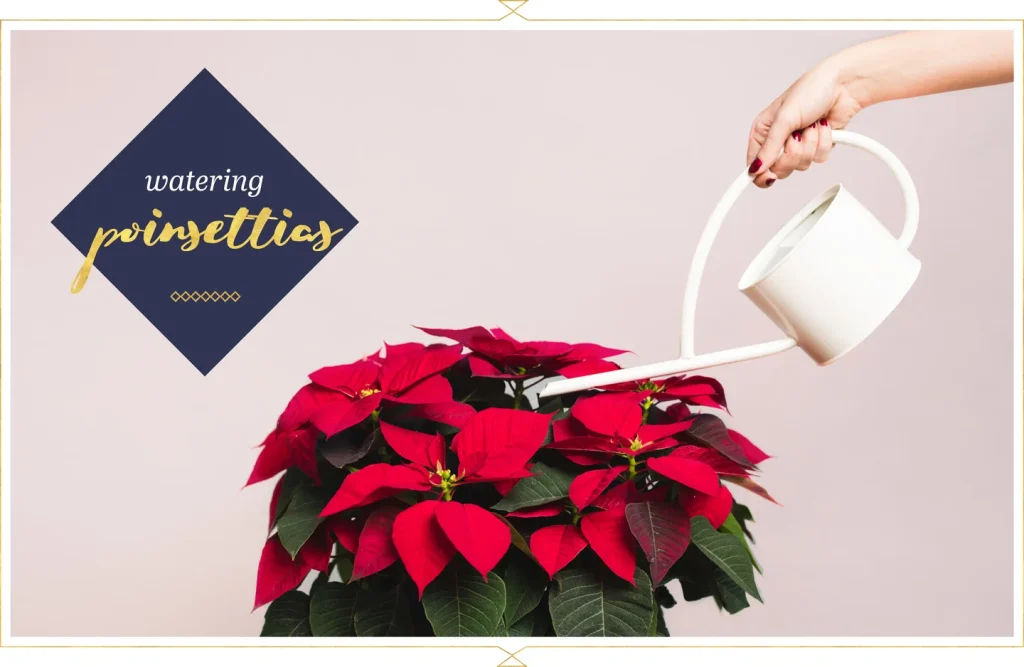
Proper watering is crucial for poinsettia health. Overwatering or underwatering can lead to leaf drop or root rot. Follow these tips:
- Check the soil: Water only when the top inch of soil feels dry to the touch.
- Avoid standing water: Ensure the pot has proper drainage to prevent root rot.
- Water thoroughly: When watering, saturate the soil evenly until water drains from the bottom.
- Reduce watering in cooler months: Poinsettias require less water during the winter when growth slows.
Fertilizing and Maintenance
- Fertilizer: Feed your poinsettia every 4–6 weeks with a balanced, water-soluble fertilizer. Avoid fertilizing while the plant is in bloom, as it can reduce bract longevity.
- Pruning: After the holidays, prune back stems to encourage new growth. Remove any faded or damaged leaves.
- Repotting: If your poinsettia becomes root-bound, consider repotting in spring into a slightly larger container with fresh soil.
Common Problems and How to Solve Them
1. Leaf Drop
Leaf drop is common and usually caused by stress, such as drafts, temperature fluctuations, or improper watering. Ensure your plant is in a stable environment and avoid sudden changes in care.
2. Yellowing Leaves
Yellow leaves may indicate overwatering or poor drainage. Allow the soil to dry slightly and ensure the pot has adequate drainage holes.
3. Wilting
Wilting can result from underwatering, excessive heat, or low humidity. Adjust watering routines and maintain optimal room conditions.
4. Pests
Poinsettias can occasionally attract pests such as whiteflies, spider mites, or aphids. Regularly inspect leaves and treat infestations with insecticidal soap or neem oil.
Encouraging Re-Bloom Next Year
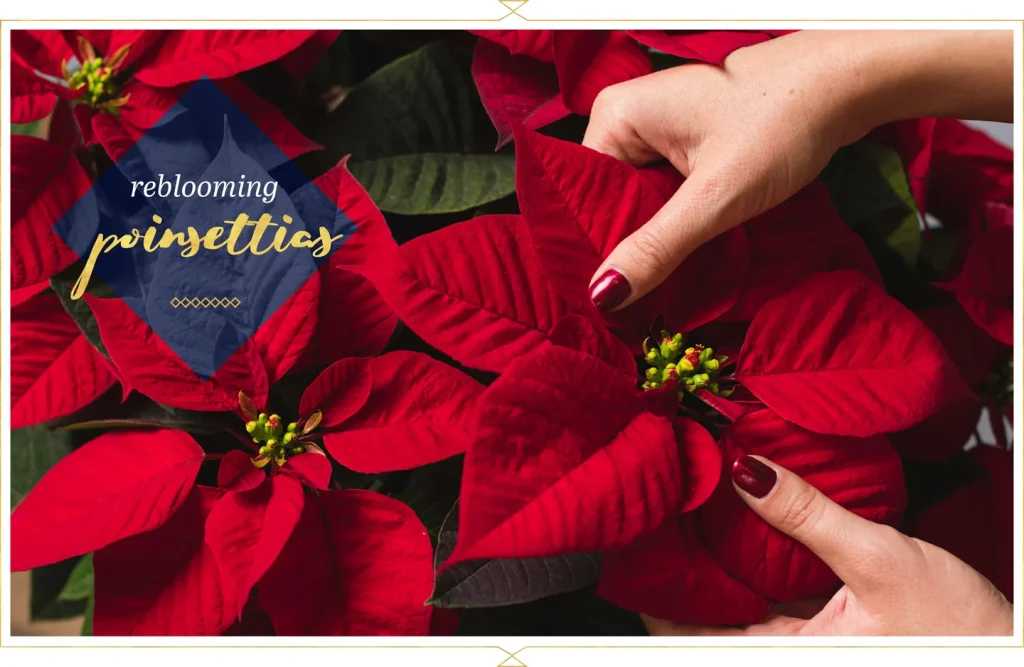
Poinsettias are often treated as disposable holiday plants, but with proper care, they can re-bloom year after year. Here’s how:
- After Christmas: Continue caring for the plant as normal, keeping it in bright, indirect light and maintaining moderate moisture.
- Spring Pruning: Cut back stems to 4–6 inches to encourage new growth.
- Summer Care: Move the plant outdoors to a partially shaded area. Fertilize regularly and water consistently.
- Autumn Preparation: In early October, provide long nights of darkness (14–16 hours) to stimulate bract color for the holiday season. Continue bright, indirect light during the day.
Decorating with Poinsettias
Poinsettias are versatile and can enhance your holiday décor in various ways:
- Table Centerpieces: Arrange multiple plants in decorative pots for a festive table display.
- Mantel Displays: Combine poinsettias with garlands, candles, and ornaments for a cheerful mantelpiece.
- Outdoor Decor: Hardy poinsettia varieties can be used in protected outdoor spaces or winter gardens.
- Gift Idea: A poinsettia in a decorative basket makes a thoughtful gift for friends, family, or clients during the holiday season.
Fun Facts About Poinsettias
- The poinsettia is named after Joel Roberts Poinsett, the first U.S. ambassador to Mexico, who introduced the plant to the United States in the 1820s.
- Poinsettias can bloom in red, white, pink, cream, and even speckled varieties, offering versatility in holiday décor.
- In Mexico, poinsettias are known as “Flores de Nochebuena” or Christmas Eve flowers.
Conclusion
Poinsettias are more than just a seasonal decoration—they’re a symbol of the holiday spirit, bringing color, warmth, and cheer to any space. With proper care, attention, and a bit of seasonal planning, your poinsettia can thrive through the holidays and potentially return year after year as a cherished part of your celebrations.
Whether you’re a first-time poinsettia owner or a seasoned plant enthusiast, following this Poinsettia Care Guide ensures vibrant, healthy plants that brighten your home and make your holiday season truly special. By understanding their needs and incorporating them into your holiday décor, poinsettias can remain a festive and long-lasting centerpiece of your seasonal celebrations.